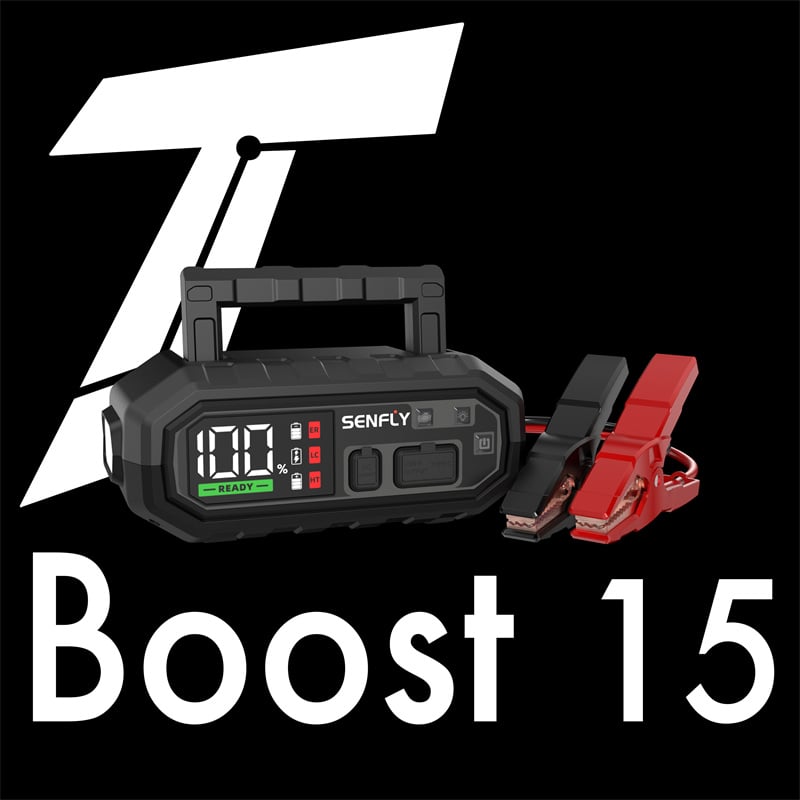
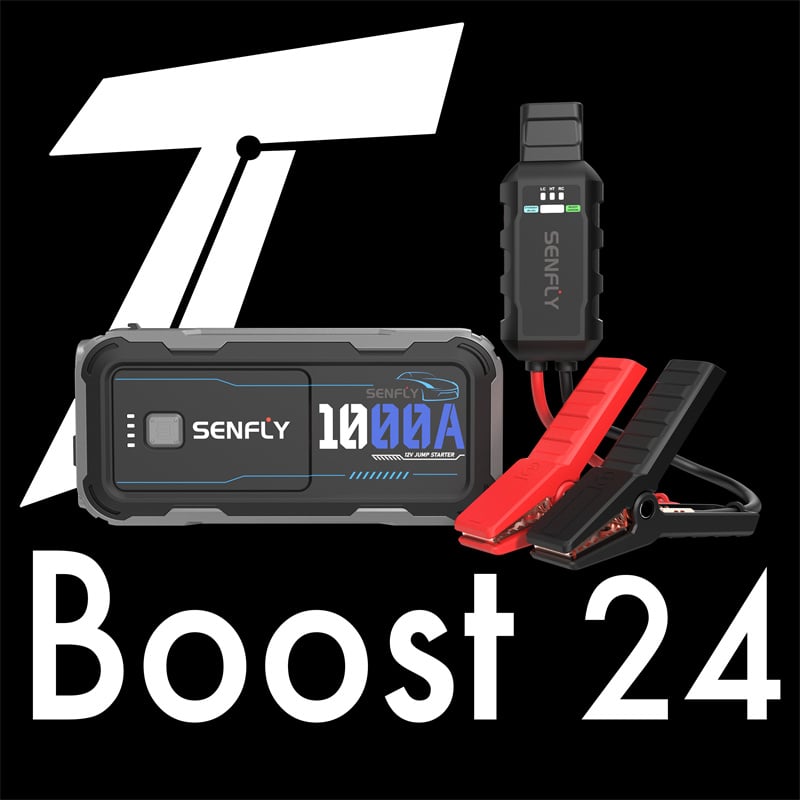
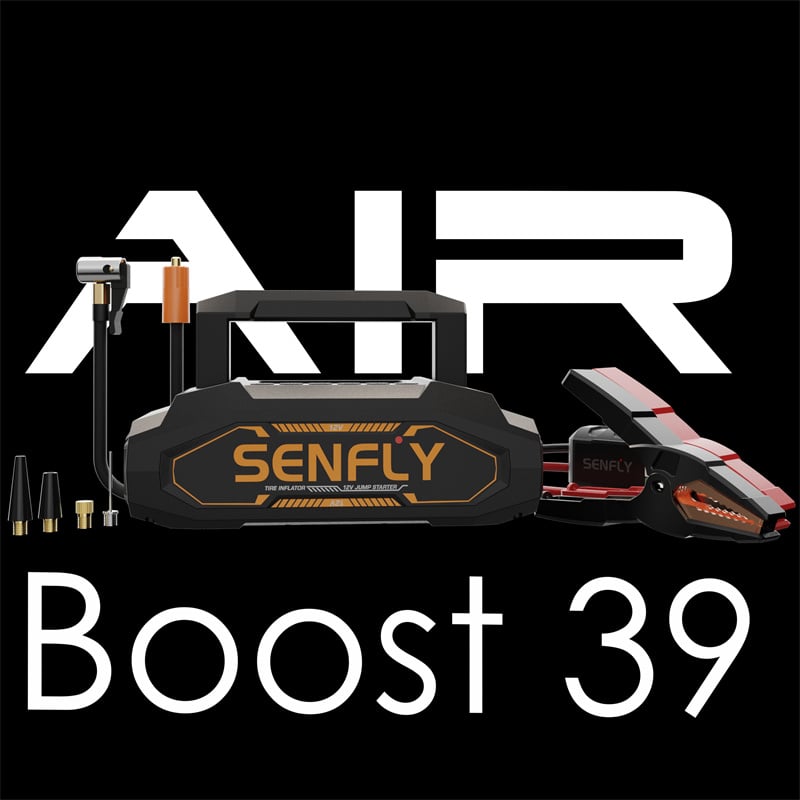
Launching a brand in the automotive power sector means navigating a landscape where a single under-spec component can trigger warranty claims that erode margins and trust. For procurement managers and business owners evaluating private label manufacturing, the fundamental question isn’t “Can you build it?”—it’s “Will your quality control system protect my supply chain and my brand?” At Senfly, our engineering methodology, “Secure The Unknown, Never Stop,” isn’t a tagline for the consumer market—it’s a manufacturing discipline that starts at the cell level and ends only when every certificate is verified and every defect rate is traceable. This guide draws on verified market data and technical requirements to show what separates a durable OEM partnership from a transactional supplier relationship.
The portable power segment is experiencing a structural shift. Grand View Research and Fortune Business Insights confirm the global jump starter market surpassed USD $1.2 billion in 2023 and is projected to grow at a CAGR of 8–12% through 2030. Within that growth, the combined jump starter + tire inflator category is expanding even faster—estimated at 15–20% annually—because buyers increasingly view a single, dual-function device as a must-have, not a luxury.
For a brand owner, this convergence creates both opportunity and complexity. A standalone jump starter OEM faces margin compression; a combination unit OEM demands sophisticated thermal management, safety isolation, and dual-source power architecture. When a tire inflator motor draws 10–15A and a jump starter can pulse at over 300A, the battery management system (BMS) must handle that disparity without triggering false protection cutoffs. As verified in published teardowns, many budget units fail to isolate motor-induced voltage spikes, causing premature cell degradation. Your manufacturer’s ability to integrate these functions reliably is what determines whether your brand’s return rate stays below 2% or spikes in year two.
Ask any supplier: “What is your DC-DC isolation design when the inflator runs immediately after a jump start event?” If the answer stays vague, the unit likely hasn’t been engineered for real-world use cycles.
B2B buyers don’t simply need a product that “works”; they need a product that will never be pulled from a retailer’s shelf or blocked at customs. The certification landscape is rigorous, and the cost of non-compliance is instant. Major e-commerce platforms and big-box stores now mandate UL 2743 (Portable Power Packs) for North American shelf space. Europe requires CE marking, which encompasses EMC (EN 62133), Low Voltage Directive (EN 62368-1), and RoHS directives—plus WEEE registration for end-of-life recycling. And for any device containing lithium cells, UN 38.3 transport testing (sections T1–T8) is non-negotiable for air and sea freight. One missing test certificate can immobilize a shipping container.
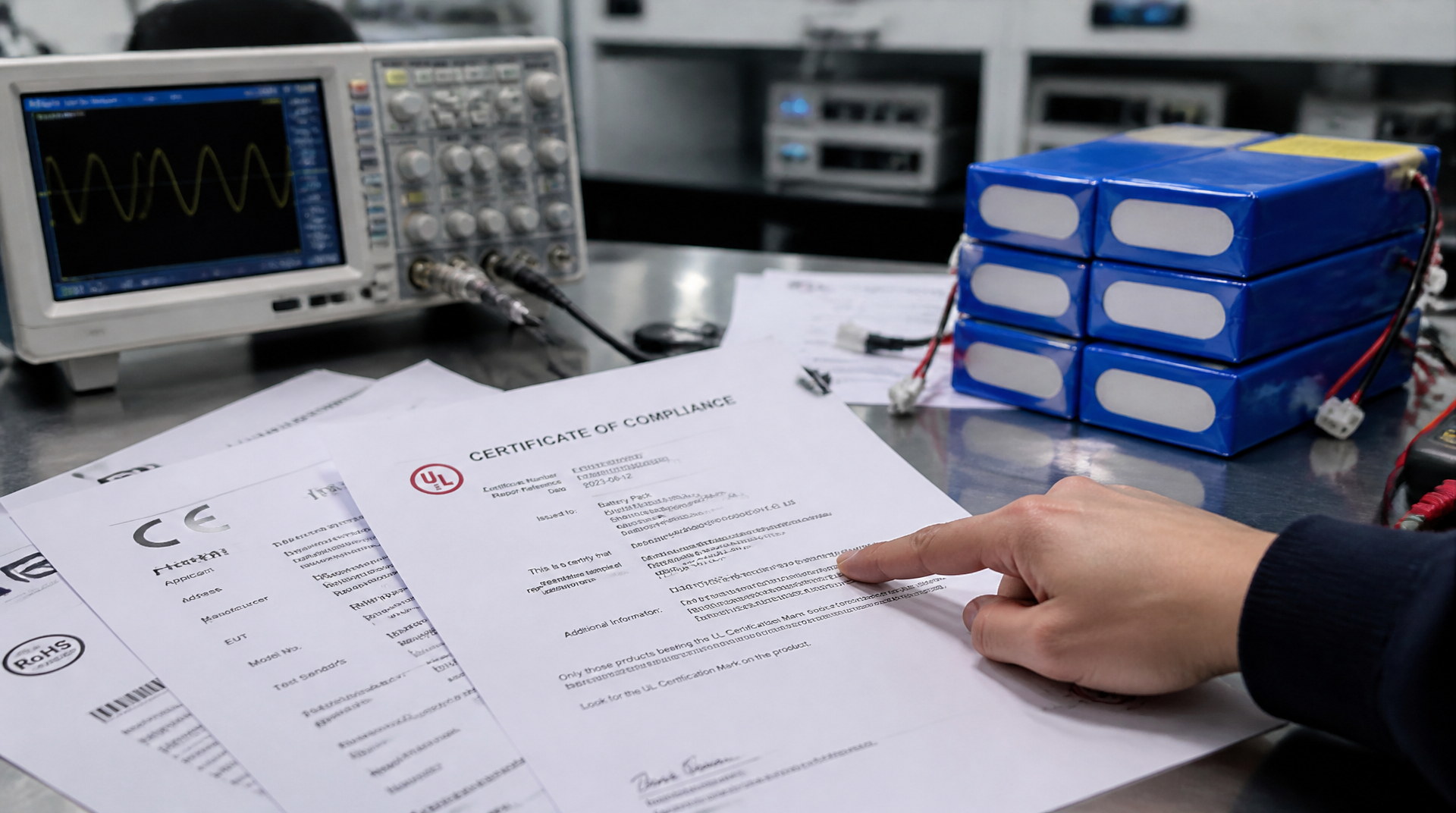
A procurement manager’s critical question is: “Are these certifications already in place for the base design?” According to industry estimates, obtaining UL 2743 from a Nationally Recognized Testing Laboratory (NRTL) for a new model costs $15,000–$30,000 and can add 8–12 weeks to a launch timeline. A mature OEM partner like Senfly maintains pre-certified platform designs where UL, CE, FCC, and UN38.3 are already completed on the core unit. The brand owner then only requires certification of cosmetic and labeling variations—cutting time-to-market by months and eliminating the risk of a failed EMC sweep during a new model submission.
Real differentiator: during RFQ evaluations, request a certificate number and the name of the accredited test lab (e.g., TÜV Rheinland, SGS, Intertek). A supplier that can provide a valid, verifiable certificate with those details immediately signals that compliance isn’t an afterthought. Anything less is a supply chain liability.
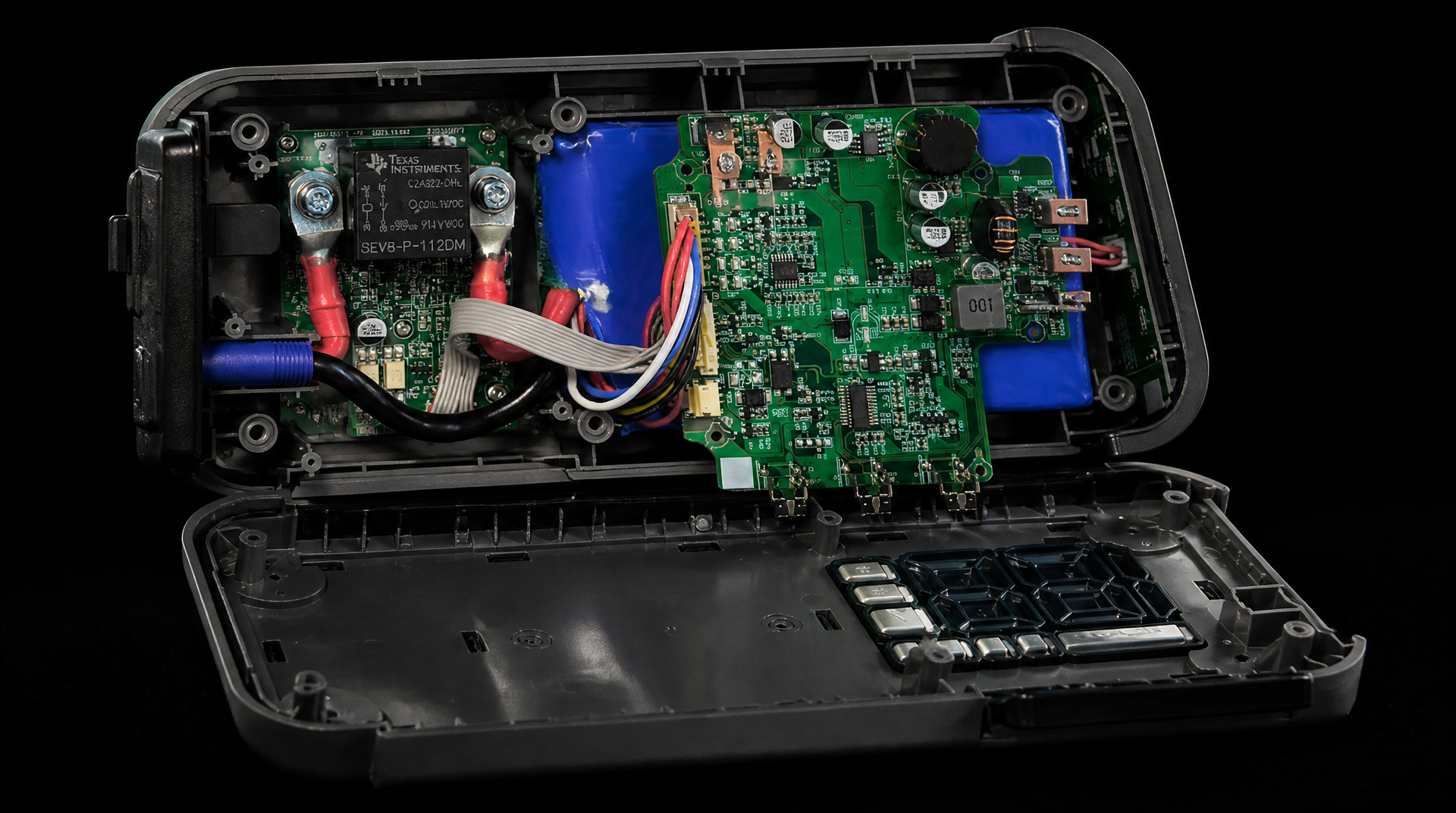
The most common warranty nightmare for a brand is a jump starter that no longer holds charge after 18 months. The root cause is almost always cell grade. While many suppliers will claim "lithium battery," the procurement team must dig into chemistry and sourcing. Senfly engineers all of our jump starters with lithium cobalt oxide (LCO) cells, a chemistry chosen for its superior discharge rate capability — essential for delivering the high instantaneous current that reliably starts engines across vehicle classes. While LCO cells have different cycle life characteristics than LiFePO4, our cell qualification process validates performance under real-world use cycles, and we can share batch-level aging data with OEM partners evaluating long-term reliability. Ask your supplier what cell chemistry they use and why — a credible manufacturer should justify their choice with engineering reasoning, not marketing language.
Equally important is the "peak current" specification. A common pitfall in the industry is inflated peak numbers: many open-market listings advertise 3000A or 4000A, but independent testing routinely shows real cranking capability far below those figures. For context, compact passenger vehicles typically require only 500–600A to start, and even large diesel engines can be reliably started with 2000A peak. Rather than chasing headline numbers, buyers should ask their supplier: "What is the sustained cranking current at room temperature, and what testing protocol was used to measure it?" The BMS IC vendor (whether Texas Instruments, Dialog, or a commodity alternative) directly impacts protection speed and accuracy. Ask for the BOM list including the MOSFET supplier and the cell maker's origin certificate. At Senfly, our platform design targets verified, repeatable cranking performance rather than inflated peak claims, and we provide room-temperature test data for every production batch — because your customer's trust depends on real-world reliability, not spec sheet superlatives.
A common fear among brand owners is cell grade substitution—receiving production units with different cells than the approved sample. Mitigating that requires manufacturing transparency, not just promises. Your supplier’s facility should welcome factory audits (preferably unannounced) and have a traceable serial number system that links each unit to its cell batch, BMS firmware version, and inspection records.
Verified B2B procurement documentation shows that leading buyers prioritize suppliers with in-house PCB assembly and cell spot-welding, not those who outsource every step to unmonitored third parties. Senfly’s quality control checklist spans from incoming cell internal resistance (IR) grading to forced-air testing for inflator overheat protection. Every combination unit undergoes a full-function test that simulates a three-jump-start-plus-inflation cycle before shipping. Defect rate data, captured per production run, becomes a shared KPI with the brand owner, not a hidden metric.
Additionally, a robust warranty process must be defined contractually. A written protocol that includes a 24–48-hour ticket response, advance replacement for confirmed failures, and spare parts availability turns a potential brand crisis into a managed event. That infrastructure is as important as the product itself.
Private label manufacturing extends far beyond a logo. Brand owners evaluate MOQ flexibility (typically 500–2,000 units for an initial order, with sample runs of 100–500), packaging language localization (French, Spanish, Arabic, and others), molded case color options, and—increasingly—app branding control. However, the most crucial non-technical layer is intellectual property protection. A signed NDA and a mold ownership agreement are table stakes; exclusive design clauses that prevent your specific colorway and packaging from being offered to competitors are what preserve your brand’s differentiation.
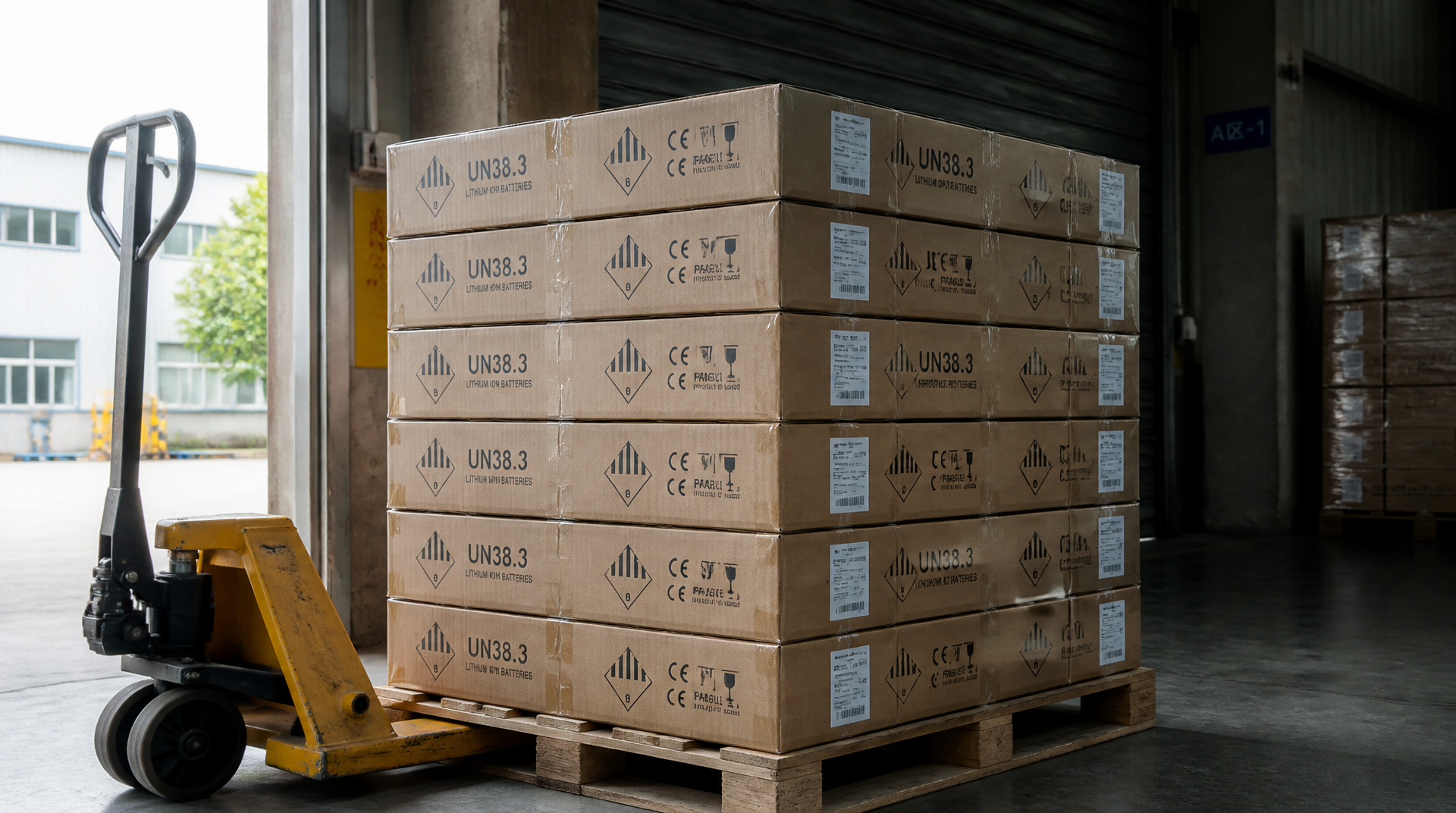
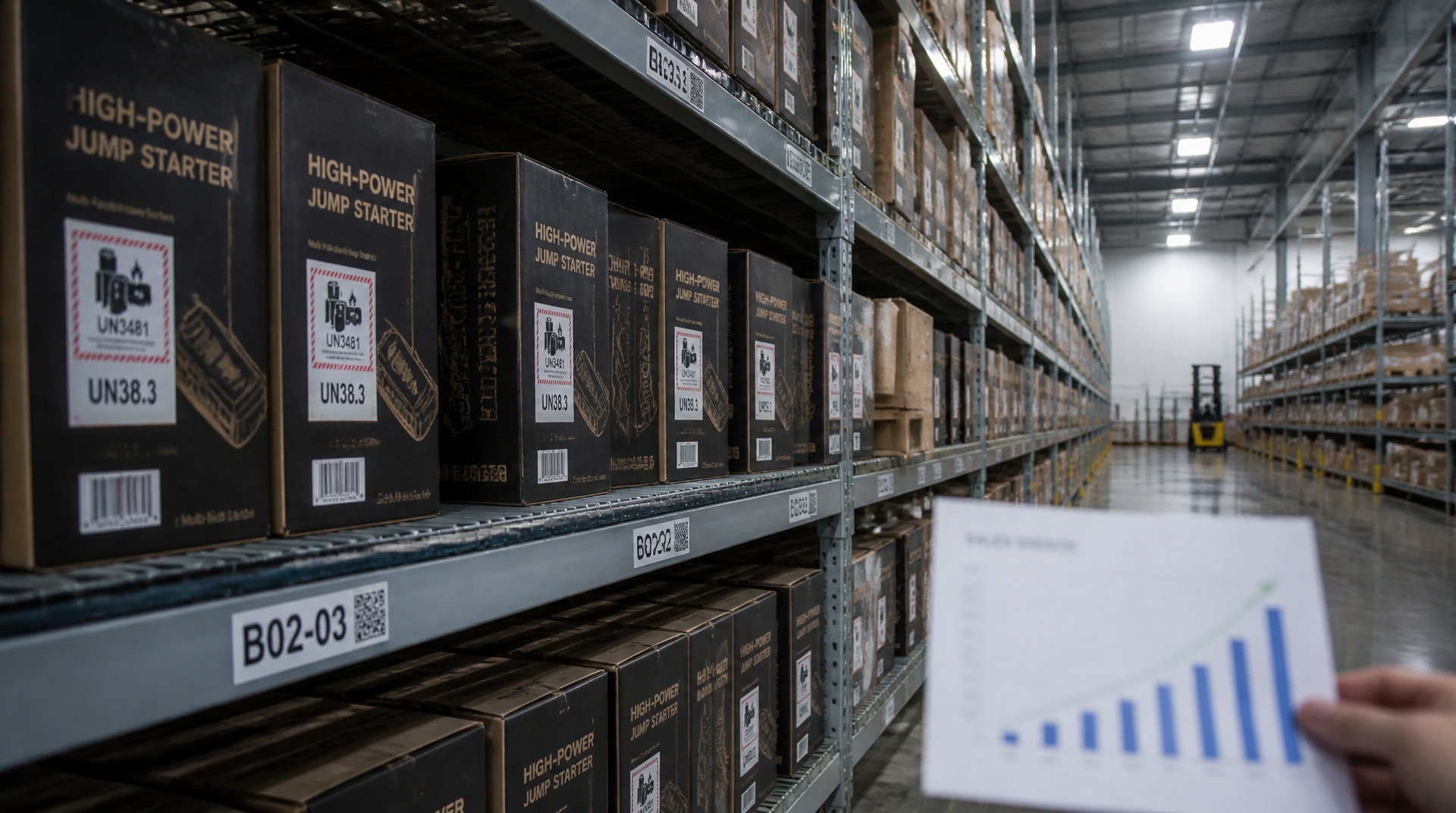
Supply chain stability also matters. Peak season (Q3–Q4) can push standard lead times from 30 days to 60 days or more. A supplier that offers buffer stock agreements ensures your Amazon FBA or retail inventory doesn’t gap during high demand. And when lithium batteries are involved, proper UN38.3-certified packaging and training documentation are mandatory to avoid regulatory seizure. Senfly’s logistics protocols include pre-shipment inspection for packaging compliance, reducing the risk of costly hold-ups.
The decision to launch a private label jump starter and tire inflator is a strategic investment in a growing market segment. But the calculus isn’t simply about price points and specs—it’s about reducing the unknown variables that can turn an exciting product launch into a customer service nightmare. From certifications that guarantee market access to battery cell sourcing that determines lifespan, every layer of the supply chain either builds or erodes the trust your buyers place in your brand.
At Senfly, “Secure The Unknown, Never Stop” means we treat your supply chain resilience as our engineering mandate. We invite you to review our certification files, discuss discharge curve data, and walk through our QC checkpoints—because the strongest B2B partnerships are built on evidence, not claims. The brands that scale are the ones that choose an OEM partner who already has the answers, long before the first shipment leaves the dock.

 Hot News
 EN
EN